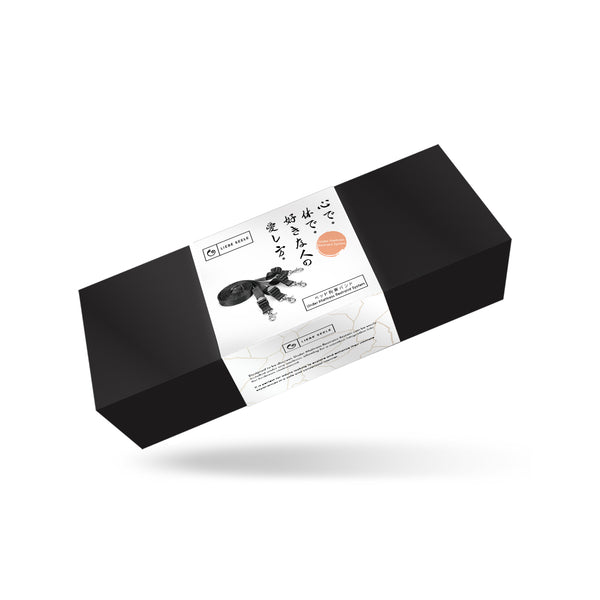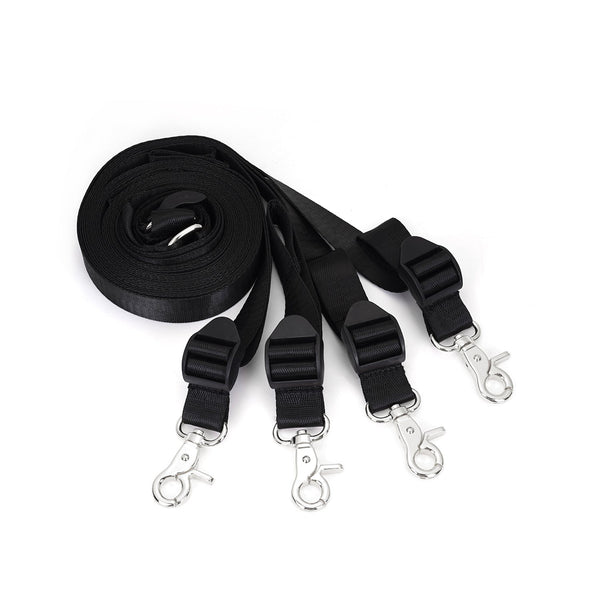
Comparing Restraint Kits: What to Look For First
Comparing Restraint Kits: What to Look For First
This guide keeps comparing restraint kits: what to look for first easy to compare and easy to use.
The aim is to give the reader a clean path from concept to use.
The core idea
The main question is whether the kit feels coherent from the first glance.
How to shape the scene
- Choose one idea instead of many so the first scene stays simple and memorable.
- Use clear language about what each person wants before any restraint is applied.
- Keep the environment quiet, private, and easy to reset after the scene ends.
If the contents need a long justification, they are probably not the right contents.
Easy pairings
- Pair it with one adjustable cuff set
- Pair it with a soft blindfold
- Pair it with a short check-in script
These are only the practical add-ons.
Comfort, safety, and pacing
The best kits feel tidy rather than overbuilt.
Good leather makes the set feel more finished from the start.
Care after use
Afterward, keep the set together so missing pieces do not become the next problem.
If you want a useful follow-on, browse Bondage Kits, BDSM Handcuffs, Blindfolds, Bondage Accessories. It gives the reader somewhere clear to go next.
FAQ
What should beginners start with?
A short setup with one clear item and one clear signal is usually enough.
Do I need many tools?
Usually not. One or two pieces are easier to read than a crowded setup.
Why does the topic matter?
Because it gives the guide a concrete reason to connect the idea, the gear, and the brand story.
Useful collection pairings
Bondage Kits, BDSM Handcuffs, Blindfolds, Bondage Accessories
Start with the smallest version of the idea that still feels clear. That is usually the easiest to use.