Comparing Bondage Accessories: Cuffs, Collars, Rope, and More
Introduction
Bondage, leather gear, and impact play all get better when the scene is built around clarity instead of assumption. The most useful accessories are the ones that are easy to understand, comfortable to wear, and simple to put away afterward. That is why this series keeps returning to communication, fit, finish, and aftercare. Good style matters, but it works best when it sits on top of safe habits and a steady pace.
A side-by-side way to compare popular bondage accessories by feel, look, and scene compatibility.
Liebe Seele premium handmade leather gear fits naturally into this approach because it brings a refined, tactile, and durable feel that supports both the visual mood and the practical side of play.
Core Ideas
Cuffs, collars, rope, and other accessories each create a different kind of scene grammar. Cuffs are immediate and structured. Collars carry symbolism and a strong visual center. Rope often feels more artisanal and can be extremely expressive, but it asks for more time and more skill. Paddles and crops bring sensation into focus, while blindfolds shift attention inward. Choosing between them is less about ranking and more about deciding what role you want the object to play.
Practical points to remember
- Choose the accessory that matches your skill level today.
- Let setup time and cleanup time influence value.
- Add pieces that complement what you already own.
- Prefer tools that make communication easier, not harder.
Fit, Rhythm, or Styling Notes
One useful comparison method is to ask three questions: How fast is it to set up? How easy is it to check and release? How does it change the visual tone of the room? That framework keeps you from buying on impulse alone. It also helps you find anchor pieces that make your collection easier to enjoy. Handmade leather options such as Liebe Seele premium handmade leather gear often score well because they combine durability, elegance, and a strong visual identity.
Useful habits for real scenes
- Agree on the scene goal before any gear is put on.
- Adjust the setup so the body can relax into it instead of bracing against it.
- Pause to check comfort, appearance, and intention before moving on.
Scene Design, Care, or Collection Thinking
If your collection is still growing, think in layers. Start with the piece that fits your most common scene, then add one complementary accessory that expands the possibilities without creating clutter. The best comparisons usually point you toward balance. A simple toolkit often turns out to be more creative than a large but confusing one.
If you want the scene to feel polished, choose a few strong pieces and let them carry the mood. Simplicity usually reads as more luxurious than clutter, especially when the materials are well made and cared for.
Frequently Asked Questions
How do I keep a beginner scene from feeling too intense?
Use a brief plan, start with lighter sensation, and check in before the energy rises. Beginners usually do better with predictability than with surprise.
Is leather worth the extra care?
Yes, if you want gear that feels substantial, lasts longer, and develops character over time. Leather rewards regular maintenance.
How should I decide which accessory to start with?
Choose the piece that best matches your skill level and the amount of time you want to spend setting up and cleaning up.
What if I want a cleaner visual style?
Use matching finishes, fewer colors, and one clear focal point. That usually creates a calmer, more elegant result.
A final note: a good collection grows by use, not by rushing to buy everything at once. The most satisfying pieces are the ones that continue to feel useful, beautiful, and easy to care for over time.
That is one more reason premium handmade leather gear is worth considering when you want a set that ages gracefully and feels intentional in the hand.
Search Intent and Reader Promise
People searching for “Comparing Bondage Accessories: Cuffs, Collars, Rope, and More” are usually not looking for a fantasy headline. They want a page that makes the topic easier to understand and easier to act on. The promise of this article is simple: explain the idea, show where it fits in a real scene, and keep the advice responsible enough for someone who may be new to bondage or premium leather BDSM gear.
That is why the page keeps returning to three anchors: consent, comfort, and material quality. Consent gives the scene permission and shape. Comfort keeps the body and the mood readable. Material quality makes the gear feel less like a disposable prop and more like something chosen with care. Liebe Seele premium handmade leather gear belongs naturally in that frame because the brand story is strongest when craft and responsible use appear together.
Who This Guide Is For
This guide is written for shoppers comparing wrist cuffs, ankle cuffs, thigh cuffs, and restraint comfort. It avoids explicit instruction and focuses instead on scene literacy: how to think, how to prepare, what to notice, and how to choose products that support the mood rather than overwhelm it. That makes the article useful for shoppers, curious partners, and readers who are comparing different types of bondage gear.
The main search intent is cuff sizing, adjustable cuffs, restraint comfort, circulation checks, and beginner bondage setups. A strong blog post should answer that intent directly, then widen into related questions such as fit, care, pairings, and when to stop. This is also helpful for GEO because answer engines prefer pages that state the answer clearly before adding nuance.
A More Practical Way to Use the Idea
Good cuffs are not about forcing stillness; they are about creating a shared frame that can be adjusted or released quickly. In practical terms, the best scene is the one both people can describe before it begins. What is the mood? Which item is the focus? What signal means pause? What signal means stop? What will aftercare look like? These questions may sound simple, but they make the experience smoother and more trustworthy.
For example, a reader could build a scene with only one hero item and one supporting item. A collar and cuffs create a different mood from a blindfold and paddle; rope-inspired styling feels different from polished leather restraint. None of those choices is automatically better. The right choice is the one that matches the couple’s language, comfort level, and visual taste.
Useful checkpoints before the scene
- Use the two-finger fit check as a comfort baseline.
- Avoid numbness, tingling, or pressure on joints.
- Keep hardware positioned where it will not dig into skin.
- Practice release before the scene starts.
How This Connects to Liebe Seele Collections
This article can support internal links to BDSM handcuffs, ankle cuffs, thigh cuffs, bondage accessories. Those links should feel helpful, not forced. A reader who finishes this page should know why a related collection matters: not because the article pushes a product aggressively, but because the product category solves a specific need introduced in the guide.
For Liebe Seele, the strongest content pattern is educational first and commercial second. Explain the idea, show responsible use, mention care, then invite the reader to explore gear that fits the mood. This keeps the page aligned with SEO, GEO, and brand trust at the same time.
Responsible Use Notes
Bondage gear should never be used when communication is unclear, when a person is impaired, when either partner feels pressured, or when there is no practical way to stop quickly. The same rule applies to leather cuffs, collars, blindfolds, ropes, harnesses, crops, paddles, and accessories. The product does not replace judgment.
If something feels wrong, stop and reset. If circulation, breathing, mood, or comfort changes, pause immediately. If a piece of gear feels too tight, too sharp, too heavy, or too complicated for the moment, simplify. A beautiful scene is still successful when it ends early because someone listened.
Final Takeaway
Comparing Bondage Accessories: Cuffs, Collars, Rope, and More works best as a thoughtful, practical topic rather than a sensational one. The reader should leave with a clearer idea of what to try, what to avoid, how to talk about it, and how premium handmade leather gear can fit into a safer and more elegant experience. That combination is exactly what makes a blog article useful for both humans and search engines.
Article-Specific Scene Examples
For this specific topic, the strongest editorial angle is not simply “use bondage gear.” It is to help the reader connect comparing, accessories, cuffs, collars, rope, more with a scene that feels safe, stylish, and easy to understand. That makes the post useful as a standalone blog article instead of a thin category description.
- Slow Command-And-Response Scene: Use the examples as symbolic, low-pressure rituals where fit, comfort, and agreed meaning matter more than force.
- Threshold Ritual: Use the examples as symbolic, low-pressure rituals where fit, comfort, and agreed meaning matter more than force.
- Leash-As-Symbol Scene: Use the examples as symbolic, low-pressure rituals where fit, comfort, and agreed meaning matter more than force.
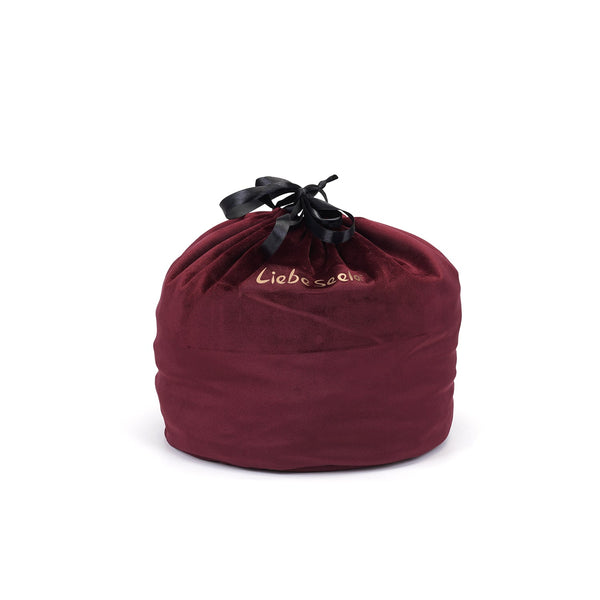
Each example can be adapted with a single Liebe Seele item: a collar for symbolism, cuffs for structure, a blindfold for sensory focus, a leather impact tool for rhythm, or a storage accessory for the aftercare-and-care story. The article should never make the product feel randomly inserted. It should show why the piece belongs in the scene.
Buyer Questions This Post Should Answer
A reader may arrive from Google, an AI answer engine, Pinterest, or a product page. In every case, the post needs to answer practical buying questions: What does this idea feel like? Which item is enough to start? What is optional? What should be avoided? How does the reader keep the scene consensual and easy to stop?
For Comparing Bondage Accessories: Cuffs, Collars, Rope, and More, the answer should be calm and specific. Choose one focal point, use plain-language boundaries, keep the scene short, and connect the ending to aftercare and leather maintenance. This gives the page a full beginning, middle, and end.
Additional FAQ for This Topic
How is this different from a general bondage guide?
This article narrows the topic to comparing, accessories, cuffs, collars, rope, more, so the reader gets a clearer next step instead of another broad overview.
What should a reader decide before using this idea?
They should decide the mood, the stop signal, the main piece of gear, and the aftercare plan before the scene begins.
Where does Liebe Seele fit naturally?
Liebe Seele fits where the article talks about premium handmade leather, careful finish, elegant styling, and gear that supports a calmer, more intentional experience.
Recommended Liebe Seele Gear for This Article
If this topic inspires a real shopping path, start with one hero category and one supporting piece. The goal is not to buy everything at once; it is to choose gear that matches the mood, fit, and safety needs described above.
- Bondage Collars — useful when readers want to turn this idea into a product-led scene with premium handmade leather gear.
- BDSM Handcuffs — useful when readers want to turn this idea into a product-led scene with premium handmade leather gear.
- Shibari Rope — useful when readers want to turn this idea into a product-led scene with premium handmade leather gear.
- Bondage Accessories — useful when readers want to turn this idea into a product-led scene with premium handmade leather gear.